
Thailand’s political landscape has seen three changes of power in just one year, the latest being the removal of Paetongtarn Shinawatra, daughter of former prime minister Thaksin Shinawatra, over her handling of a border conflict with Cambodia.
On 5 September 2025, former health minister and architect of cannabis decriminalisation Anutin Charnvirakul was elected as the country’s new prime minister for a four-month transitional government. His appointment was secured with the support of the opposition People’s Party, on the condition that parliament will be dissolved within four months and new elections called.
For Thailand’s cannabis industry, which has faced sharp restrictions in recent months, Anutin’s elevation is being seen as a hopeful turn.
After cannabis was legalised for medical purposes in June 2022, up to 18,000 shops opened across the country, many of them operating far beyond the medical remit due to unclear regulations. Politicians soon moved to rein in the sector. On 25 June 2025, health minister Somsak Thepsuthin introduced a law that reclassified cannabis flowers as a controlled substance. Retailers were required to supply cannabis only to patients with a doctor’s prescription and to report the origin, intended use and stock of their products.
This ended the short-lived boom in which recreational cannabis was widely available in tourist areas, providing jobs, attracting investment and reducing pressure on law enforcement. At its peak, the industry was projected to generate up to €1 billion in revenue, with significant foreign investment. Since the policy reversal, however, cannabis businesses have faced severe uncertainty.
Anutin Charnvirakul, leader of the Bhumjaithai Party, has previously served as deputy prime minister, health minister and interior minister. Although considered conservative on social issues, he has been one of Thailand’s most vocal advocates of cannabis decriminalisation, arguing for the medical benefits of the plant and supporting limited private cultivation and retail sales.
He has consistently linked cannabis reform to broader economic and social goals, including reducing prison overcrowding and stimulating domestic growth. ‘Thailand would actually be the most suitable location in the world for growing high-quality cannabis,’ he has said (DW).
While the recreational market that flourished after decriminalisation alarmed parts of Thai society and prompted political backlash, Anutin has repeatedly reminded lawmakers that they themselves voted for reform and should approach cannabis policy cautiously.
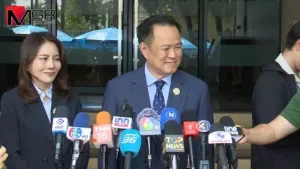
October 1, 2025 No Comments
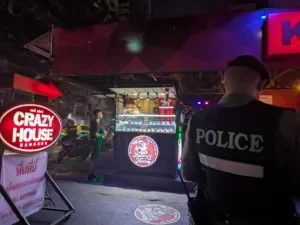
July 21, 2025 No Comments

January 14, 2025 No Comments
The recent tightening of rules has included the closure of hundreds of cannabis shops and stricter enforcement against illegal exports, according to Der Farang. Yet following Anutin’s election, industry groups see signs of a more supportive climate.
Prasitchai Nunual, secretary-general of the Thai Cannabis Future Network, said the appointment makes it unlikely that cannabis will be reclassified as a narcotic. ‘The tone of the authorities has already changed noticeably since his election victory,’ he said.
Operators in Bangkok’s tourist areas have expressed similar optimism. Rattapon Sanrak, who runs the Highland Café on Khaosan Road, said the real issue is not further legislation but enforcement. Many legal businesses, he noted, have been pushed into illegality due to the cost of complying with stricter cultivation standards and prescription-only requirements.
Upon taking office, Anutin identified rising living costs, tensions on the Cambodian border and the threats posed by drug trafficking, human trafficking and fraud as his top priorities, warning that these issues ‘endanger the well-being of the nation’. He called on MPs to ‘put aside their differences and act in the interests of the people’, acknowledging that a minority government faces limits in parliament.
Analysts suggest he may be positioning himself for a longer-term role. Thitinan Pongsudhirak, professor at Chulalongkorn University, argued that Anutin is likely to use his cabinet appointments in key portfolios such as finance, energy and foreign affairs to extend the Bhumjaithai Party’s influence beyond the transitional period.
His stance on cannabis, however, is already clear. The day after his election, Anutin appeared at a meeting with incoming cabinet members wearing a shirt patterned with cannabis leaves — a symbolic gesture seen as reassurance to an industry under pressure.
The post Hope for Thailand: ‘Cannabis Champion’ Anutin Charnvirakul Becomes Prime Minister appeared first on Business of Cannabis.
Continue reading...
On 5 September 2025, former health minister and architect of cannabis decriminalisation Anutin Charnvirakul was elected as the country’s new prime minister for a four-month transitional government. His appointment was secured with the support of the opposition People’s Party, on the condition that parliament will be dissolved within four months and new elections called.
For Thailand’s cannabis industry, which has faced sharp restrictions in recent months, Anutin’s elevation is being seen as a hopeful turn.
Cannabis Industry Under Pressure
After cannabis was legalised for medical purposes in June 2022, up to 18,000 shops opened across the country, many of them operating far beyond the medical remit due to unclear regulations. Politicians soon moved to rein in the sector. On 25 June 2025, health minister Somsak Thepsuthin introduced a law that reclassified cannabis flowers as a controlled substance. Retailers were required to supply cannabis only to patients with a doctor’s prescription and to report the origin, intended use and stock of their products.
This ended the short-lived boom in which recreational cannabis was widely available in tourist areas, providing jobs, attracting investment and reducing pressure on law enforcement. At its peak, the industry was projected to generate up to €1 billion in revenue, with significant foreign investment. Since the policy reversal, however, cannabis businesses have faced severe uncertainty.
A Pioneer Returns to Power
Anutin Charnvirakul, leader of the Bhumjaithai Party, has previously served as deputy prime minister, health minister and interior minister. Although considered conservative on social issues, he has been one of Thailand’s most vocal advocates of cannabis decriminalisation, arguing for the medical benefits of the plant and supporting limited private cultivation and retail sales.
He has consistently linked cannabis reform to broader economic and social goals, including reducing prison overcrowding and stimulating domestic growth. ‘Thailand would actually be the most suitable location in the world for growing high-quality cannabis,’ he has said (DW).
While the recreational market that flourished after decriminalisation alarmed parts of Thai society and prompted political backlash, Anutin has repeatedly reminded lawmakers that they themselves voted for reform and should approach cannabis policy cautiously.
Hope for Thailand: ‘Cannabis Champion’ Anutin Charnvirakul Becomes Prime Minister
Read More »October 1, 2025 No Comments
Cannabis in Thailand – The Clocks Turn Back
Read More »July 21, 2025 No Comments
SOMAÍ Pharmaceuticals Expands to Thailand With New PACCAN Partnership
Read More »January 14, 2025 No Comments
Industry Hopes for Relief
The recent tightening of rules has included the closure of hundreds of cannabis shops and stricter enforcement against illegal exports, according to Der Farang. Yet following Anutin’s election, industry groups see signs of a more supportive climate.
Prasitchai Nunual, secretary-general of the Thai Cannabis Future Network, said the appointment makes it unlikely that cannabis will be reclassified as a narcotic. ‘The tone of the authorities has already changed noticeably since his election victory,’ he said.
Operators in Bangkok’s tourist areas have expressed similar optimism. Rattapon Sanrak, who runs the Highland Café on Khaosan Road, said the real issue is not further legislation but enforcement. Many legal businesses, he noted, have been pushed into illegality due to the cost of complying with stricter cultivation standards and prescription-only requirements.
Limited Time, Clear Symbolism
Upon taking office, Anutin identified rising living costs, tensions on the Cambodian border and the threats posed by drug trafficking, human trafficking and fraud as his top priorities, warning that these issues ‘endanger the well-being of the nation’. He called on MPs to ‘put aside their differences and act in the interests of the people’, acknowledging that a minority government faces limits in parliament.
Analysts suggest he may be positioning himself for a longer-term role. Thitinan Pongsudhirak, professor at Chulalongkorn University, argued that Anutin is likely to use his cabinet appointments in key portfolios such as finance, energy and foreign affairs to extend the Bhumjaithai Party’s influence beyond the transitional period.
His stance on cannabis, however, is already clear. The day after his election, Anutin appeared at a meeting with incoming cabinet members wearing a shirt patterned with cannabis leaves — a symbolic gesture seen as reassurance to an industry under pressure.
The post Hope for Thailand: ‘Cannabis Champion’ Anutin Charnvirakul Becomes Prime Minister appeared first on Business of Cannabis.
Continue reading...


