
There is a frustrating misimpression circulating in the cannabis community regarding rescheduling.
Many headlines state that Trump is considering finishing the rescheduling process in the next few weeks. These easy scan headlines give the impression that he can just wave a magic wand to make this happen by penning an executive order or simply telling the DEA and DOJ to finish the process.
It’s not quite that simple, and investors may want to know more about this administration’s available options and political hurdles before going all-in on ‘Big Cannabis’.
Why President Trump Can’t Just Reschedule Cannabis Unilaterally
The rules for scheduling drugs are set by the Controlled Substances Act. By law, rescheduling must run through specific agencies and can’t be accomplished by executive order.
Furthermore, rescheduling requires a rigorous scientific evaluation by FDA/HHS, with very few exceptions, and the current recommendation under discussion deviates from the traditional eight-point analysis. So, President Trump might even be limited in terms of political pressure.
This deviation, along with other objections, spurred Nebraska AG Mike Hilgers to pen an objection letter with 11 GOP states that outlines their legal arguments against the current recommendation. This letter basically promises a lawsuit if rescheduling moves forward. In short, Hilgers’ letter argues that:
- The Notice of Proposed Rulemaking is procedurally invalid because it’s not signed by the DEA Administrator (Bondi could cure this defect).
- Rescheduling breaches U.S. treaty obligations.
- HHS’s two-factor test skips required abuse, dependence, and public health analysis.
- Rescheduling will increase cross-border enforcement costs.
If rescheduling moves forward, Hilgers et al. will almost certainly file suit and ask for an injunction based on what they say are concrete and definable harms, and they may even get it. This lawsuit could block any Final Rule and force a full re-evaluation based on traditional factors, and courts have historically blocked attempts to skip CSA procedure.
Unfortunately, this isn’t a process/hot mess that President Trump can bypass with an executive order or any other unilateral action. Beyond this obvious and necessary point, Trump’s statement was hardly a promise to reschedule cannabis in the first place.
What President Trump Actually Said
Trump simply stated they would come to a decision. He didn’t say whether it would be approved, denied, or moved to Schedule 2, 3, or a different Schedule. Specifically, he said: “We’re looking at it. Some people like it, some people hate it. Some people hate the whole concept of marijuana, because if it does bad for the children, it does bad for people that are older than children. But we’re looking at reclassification, and we’ll make a determination over the next, few weeks, and that determination, hopefully, will be the right one. It’s a very complicated subject, you know, the subject of marijuana.”
This is hardly a glowing endorsement of Schedule 3, and this administration is under a lot of pressure from the anti-cannabis establishment to leave cannabis in Schedule 1, or worse for businesses, move it to Schedule 2, which is absolutely an option.
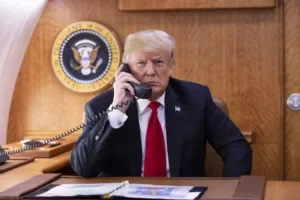
Manufactured Optimism: Why Trump Can’t ‘Just Wave a Magic Wand’ and Reschedule Cannabis
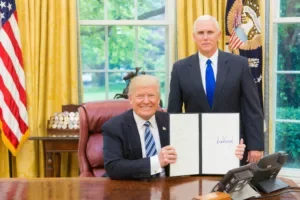
Pressure Builds on Trump Administration to take Definitive Stance on Cannabis Rescheduling
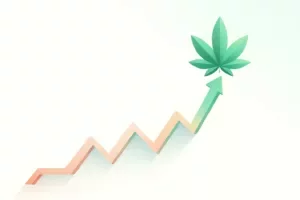
Cannabis Stocks Hit Highest Point This Year on Trump Rescheduling Hopes
The Current Political Climate
For now, the most important questions on the table are 'what can President Trump actually do?,' and 'what is he willing to do?'
Here’s what Trump actually has the power to do if he decides he wants cannabis reform to happen pre-midterm election:
- Tell Cole to do it, and if he doesn’t, fire him and appoint someone who will toe the line. This would be the fastest route to finish, although they’d still be required to complete the full process. It’s also the most unlikely possibility with the current anti-cartel actions in South America. 0% chance of this happening.
- Get Bondi to do it. The AG (DOJ) technically holds scheduling authority, with DEA acting under delegation. Trump could revoke DEA’s delegated authority and make scheduling a direct DOJ/AG function. That cuts the DEA and its insider cannabis opponents out of the loop almost entirely, but Pam Bondi is also largely anti-cannabis so she’d have to have a serious change of heart and actually mean it.
- Instruct the DOJ to create another Cole Memo 2.0 (Ironic given we have a Cole in the DEA again). May be the most realistic option at this point, but leaves us still in eternal limbo and with tax penalties…not that rescheduling is a guarantee of tax relief anyway.
- Lean on Congress to reschedule, or better, federally legalize cannabis; and the MORE Act was just introduced again, but anti-cannabis hardliners in Congress will almost certainly block this legislation.
- The wild card…It is Trump, after all. He could use other forms of political leverage to neutralize resistance, but that risks alienating his law-and-order wing, undermining the war against fentanyl, and provoking lawsuits. Considering the current anti-narcotic operations in South America, this option simply isn’t on the table right now.
- Ask DEA to reschedule to Schedule 2 without notice and comment via 21 USC 811(d)(1). This option wouldn’t work for Schedule 3 because international treaty requires the tightest controls for cannabis, but technically DEA/DOJ could opt for Schedule 2 and bypass rulemaking if the action is intended to comply with international treaty. This would involve DEA arguing the need to control state markets while recognizing medical value. However, it’s actually more likely that this section of the law would be used to keep cannabis in Schedule 1 regardless of the recommendation made by HHS. This is a very real possibility.
This is why we still haven’t seen any movement on rescheduling more than half a year into the new administration.
Yet headlines are literally implying that President Trump could just wave a pen and make it happen. Such blatantly misplaced optimism is almost certainly aimed at warming investor enthusiasm, and it’s misleading at best.
Yes, change is coming at the federal level eventually, but whether this change will benefit existing businesses is highly speculative.
The Political Reality Check
All the 'Trump can wave a wand' optimism overlooks this:
- DOJ is capitalizing on renewed anti-cartel momentum. This isn't a policy nuance, it’s a hard-line posture.
- GOP lawmakers are framing rescheduling as weakening drug war credibility and even serving narco-organizations.
- Even if rescheduling is on the table, it comes with a bureaucratic minefield rather than a clean legislative getaway.
In light of the current gunboat diplomacy with South America, we have to realistically consider the political implications of rescheduling beyond the obvious point that the DOJ doesn’t want to give up an enforcement tool right now. Here are just a few of the rescheduling implications under consideration:
- Foreign Policy Leverage
- If they decide to keep cannabis in Schedule 1 or move it to Schedule 2, Washington could point to their “tough drug laws at home” stance while accusing Venezuela, Colombia, or others of lax enforcement and cartel support. Optics matter here. Trump doesn’t want to look “soft” abroad.
- Funding & Asset Seizures
- Schedule I status enables broader asset forfeiture and extradition hooks under international narcotics treaties. DOJ depends on these justifications for billion-dollar seizures and extradition requests related to cannabis shipments. That’s a lever that enforcement doesn’t want to lose while waving around a $50M bounty on Maduro.
- Congressional Cover for Hawks
- Anti-cannabis drug warriors in Congress are framing rescheduling as giving cartels a tax break. This messaging dovetails perfectly with the current anti-cartel narrative.
- Military and Civilian Coordination
- DEA often embeds with DOD in counternarcotics missions like SOUTHCOM. As long as cannabis is Schedule I, those joint ops can count marijuana seizures in their success metrics. Rescheduling undermines bureaucratic score-keeping in a drug war that thrives on statistics.
- Public Opinion Management
- Rolling out cannabis rescheduling while cracking down on Maduro risks mixed messaging: “Are we fighting cartels or funding them?” Even if that’s nonsense, politically it lands.
- International Treaty Constraints
- The Single Convention on Narcotic Drugs still requires tight control over cannabis. The U.S. is already stretching compliance with the state-legal market. Rescheduling further loosens the rope, opening critics to say: “You’re violating treaties while demanding Venezuela obey them.” Hypocrisy is ammo and the DOJ/DEA know this.
The point here is that the decision isn’t taking place in a vacuum, and despite overwhelming public support for cannabis reform, there are powerful forces working against rescheduling. It may take some serious political judo to get past these hurdles.
Rescheduling Judo
Perhaps the real question we should be asking is how this administration could thread the needle and give the appearance of reform while still satisfying hardliners. There’s no question about the political pressure from both sides.
The administration’s Heritage Foundation handlers have the funding and political pull to push for continued criminalization, but midterms are coming and cannabis legalization is an incredibly salient issue with massive public support.
So, might Trump try to pull off some form of rescheduling judo, giving the appearance of progress while still giving in to the hardliners? Absolutely, and Schedule 2 might seem like the perfect solution to an administration trapped between these interests.
Even if Trump “finishes” rescheduling to Schedule 3, expect strings attached. The administration has no interest in giving up cartel enforcement tools in the middle of a Venezuela standoff and a South America drug war narrative. Investors shouldn’t confuse a Schedule III headline with a free-market green rush.
The Drug Policy Alliance recognizes this current political climate, and is collecting signatures to push for complete descheduling. Whether or not this is a realistic ask in the current political environment, it’s worth letting them know our thoughts.
- If they decide to keep cannabis in Schedule 1 or move it to Schedule 2, Washington could point to their “tough drug laws at home” stance while accusing Venezuela, Colombia, or others of lax enforcement and cartel support. Optics matter here. Trump doesn’t want to look “soft” abroad.
- Schedule I status enables broader asset forfeiture and extradition hooks under international narcotics treaties. DOJ depends on these justifications for billion-dollar seizures and extradition requests related to cannabis shipments. That’s a lever that enforcement doesn’t want to lose while waving around a $50M bounty on Maduro.
- Anti-cannabis drug warriors in Congress are framing rescheduling as giving cartels a tax break. This messaging dovetails perfectly with the current anti-cartel narrative.
- DEA often embeds with DOD in counternarcotics missions like SOUTHCOM. As long as cannabis is Schedule I, those joint ops can count marijuana seizures in their success metrics. Rescheduling undermines bureaucratic score-keeping in a drug war that thrives on statistics.
- Rolling out cannabis rescheduling while cracking down on Maduro risks mixed messaging: “Are we fighting cartels or funding them?” Even if that’s nonsense, politically it lands.
- The Single Convention on Narcotic Drugs still requires tight control over cannabis. The U.S. is already stretching compliance with the state-legal market. Rescheduling further loosens the rope, opening critics to say: “You’re violating treaties while demanding Venezuela obey them.” Hypocrisy is ammo and the DOJ/DEA know this.
The post Manufactured Optimism: Why Trump Can’t ‘Just Wave a Magic Wand’ and Reschedule Cannabis appeared first on Business of Cannabis.
Continue reading...

