
The UK’s health service is fighting to keep its head above water, yet with a record-breaking winter flu pandemic sweeping the nation, and a looming industrial action set to see thousands of resident doctors walk out later this week, the water level is rising rapidly.
For patients suffering from long-term health issues, the continuing NHS crisis will only add to anxieties over the accessibility of their treatment.
Among those potentially facing the sharpest impact are the UK’s military veterans. Census 2021 identified 1.85 million veterans in England and Wales alone, with the UK-wide figure estimated at around 2.4 million.
The latest research from King’s College London, published in 2024, found that 11% of ex-serving personnel reported probable PTSD, significantly higher than the 7% rate among currently serving regulars and more than double the general population baseline of 4% recorded in 2004.
Charles, a Royal Army veteran and builder from Cornwall, is a notable example of this unfortunate dynamic. After being run over and sustaining a double-fractured pelvis, followed by subsequent injuries during his service, including a detached bicep, he waited six months before his first NHS physiotherapy appointment.
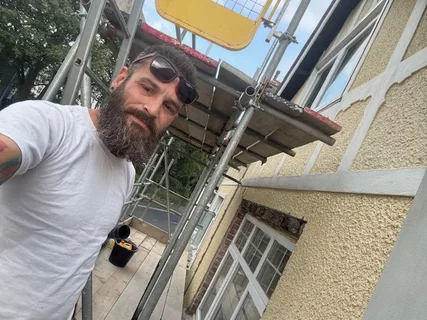
Charles says his prescription marked the beginning of a different kind of recovery.
“Every time I go to see my doctor, they ask silly questions that have nothing to do with what’s going on right now,” he said. “The first thing they seem to want to give me is antidepressants, but I’m not depressed. The pain is the root issue.”
Charles, who is living with chronic shoulder pain as a result of his injuries. Like a growing number of veterans struggling to manage both physical and mental health issues, he turned to the private healthcare market after becoming a father.
His experience points to broader treatment gaps facing UK veterans. With around 2 million veterans in the UK, the King’s College research suggests 11% (around 220,000) are experiencing probable PTSD, while 28% report symptoms of common mental disorders. Questions are mounting over whether private cannabis clinics can provide access that the NHS is struggling to deliver.
With such a significant cohort of veterans dealing with health issues, many face significant barriers accessing timely mental health and pain management treatment through NHS pathways.
Charles’s six-month wait for physiotherapy is not unusual. “If I don’t work, I don’t earn,” he explained.
Having joined Releaf, a private medical cannabis clinic now offering free initial consultations and three months of membership benefits for verified veterans, he described the relief having a legitimate prescription has provided.
“Just having that card in my pocket is a completely different way of living already,” he explained.
The Armed Forces Act 2011 creates a legal duty of care framework requiring the NHS not to disadvantage veterans in healthcare provision, yet treatment delays and pharmaceutical-first approaches continue to push some toward private alternatives.

October 31, 2025 No Comments

October 29, 2025 No Comments
October 14, 2025 No Comments
While large-scale clinical trials have not yet demonstrated that cannabis outperforms placebo for PTSD, real-world evidence from thousands of patients, including veterans in Canada and Israel, suggests meaningful symptom relief.
Real-world data from Drug Science’s Project Twenty21 found significant PTSD symptom reductions three months after treatment initiation, while the UK Medical Cannabis Registry reported improvements in PTSD-specific symptoms, sleep, and anxiety at six months.
In Canada, Veterans Affairs authorisations for medical cannabis grew from 112 in 2013-14 to over 7,000 by 2017-18, demonstrating substantial veteran uptake despite ongoing evidence gaps.

The challenge lies in translating patient-reported benefits into clinical proof. The largest randomised controlled trial to date, the US MAPS study of 80 veterans completed in 2021, found that all treatment groups, including placebo, showed significant symptom improvements. Researchers couldn’t separate cannabis effects from an unusually strong placebo response, though the study confirmed cannabis was generally well-tolerated with mild-to-moderate side effects.
A 2019 Canadian Parliamentary review acknowledged research on cannabis effectiveness for PTSD remains ‘limited’ and called for more robust clinical trials.
The regulatory tension this creates is evident in Ukraine, where medical cannabis legalisation was largely driven by an estimated 6m citizens and soldiers suffering from PTSD.
“The fact that PTSD is still off the list is an ignored need of millions that the state is still not ready to recognise.” – Iryna Rachynska, Patients of Ukraine
“The Ministry of Health estimates that around 6m citizens, including military personnel and civilians who have suffered due to the war, could now benefit from treatment,” Iryna Rachynska, Patients of Ukraine, told Business of Cannabis earlier this year.
“The patient community insists on the inclusion of PTSD in this list, as its prevalence has increased significantly since the beginning of the full-scale war. We are actively working to expand this list, as we understand how important it is for a large number of people, both civilians and military.”
Substantial government investment in ongoing research reflects confidence that larger, longer studies may prove efficacy. A follow-up US trial, MJP2, received $12.9 million in funding from Michigan’s Veteran Marijuana Research Grant Program to study 320 veterans, but only after a three-year FDA hold over safety concerns about high-THC cannabis and self-dosing protocols.
Releaf’s veteran program, which requires service verification through Service Records, Veterans ID, or pension documentation, reflects a structured approach to addressing this demographic. Dr Alex Van Heerden, a Releaf clinician and serving Army doctor, brings military medical experience to veteran consultations.
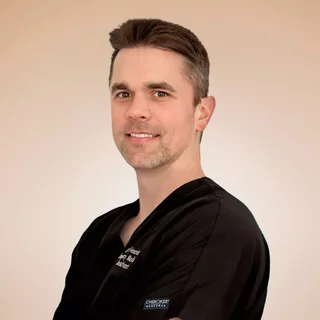
Dr Alex Van Heerden
Internationally, momentum is also building. The US Veterans Affairs system, serving 9 million veterans, could soon allow doctors to recommend cannabis after the House passed the Veterans Equal Access Act in July. The bill’s sponsor, Rep. Brian Mast, a wounded Army veteran, framed cannabis as a ‘non-opioid alternative’ following his own pharmaceutical withdrawal experience, a harm reduction argument gaining traction across jurisdictions.
Charles describes his prescription as marking ‘the beginning of a different kind of recovery’, not just from pain but from a healthcare system that failed to address his needs adequately. He’s since recommended the service to clients, noting their surprise at the option’s existence.
The veteran experience may ultimately catalyse broader change. Substantial research investment in the US, alongside thousands of veterans enrolled in Canadian studies and regulatory changes in Ukraine, all reflect government recognition that current evidence gaps warrant filling, not dismissing.
For UK veterans navigating NHS treatment delays, private cannabis access offers a much-needed solution, filling the treatment gaps of a system stretched too thinly and alternatives that don’t work.
The post Veterans and Medical Cannabis: Can Private Clinics Fill NHS Treatment Gaps? appeared first on Business of Cannabis.
Continue reading...
For patients suffering from long-term health issues, the continuing NHS crisis will only add to anxieties over the accessibility of their treatment.
Among those potentially facing the sharpest impact are the UK’s military veterans. Census 2021 identified 1.85 million veterans in England and Wales alone, with the UK-wide figure estimated at around 2.4 million.
The latest research from King’s College London, published in 2024, found that 11% of ex-serving personnel reported probable PTSD, significantly higher than the 7% rate among currently serving regulars and more than double the general population baseline of 4% recorded in 2004.
Charles, a Royal Army veteran and builder from Cornwall, is a notable example of this unfortunate dynamic. After being run over and sustaining a double-fractured pelvis, followed by subsequent injuries during his service, including a detached bicep, he waited six months before his first NHS physiotherapy appointment.
Charles says his prescription marked the beginning of a different kind of recovery.
“Every time I go to see my doctor, they ask silly questions that have nothing to do with what’s going on right now,” he said. “The first thing they seem to want to give me is antidepressants, but I’m not depressed. The pain is the root issue.”
Charles, who is living with chronic shoulder pain as a result of his injuries. Like a growing number of veterans struggling to manage both physical and mental health issues, he turned to the private healthcare market after becoming a father.
His experience points to broader treatment gaps facing UK veterans. With around 2 million veterans in the UK, the King’s College research suggests 11% (around 220,000) are experiencing probable PTSD, while 28% report symptoms of common mental disorders. Questions are mounting over whether private cannabis clinics can provide access that the NHS is struggling to deliver.
The healthcare landscape
With such a significant cohort of veterans dealing with health issues, many face significant barriers accessing timely mental health and pain management treatment through NHS pathways.
Charles’s six-month wait for physiotherapy is not unusual. “If I don’t work, I don’t earn,” he explained.
Having joined Releaf, a private medical cannabis clinic now offering free initial consultations and three months of membership benefits for verified veterans, he described the relief having a legitimate prescription has provided.
“Just having that card in my pocket is a completely different way of living already,” he explained.
The Armed Forces Act 2011 creates a legal duty of care framework requiring the NHS not to disadvantage veterans in healthcare provision, yet treatment delays and pharmaceutical-first approaches continue to push some toward private alternatives.
How Cannabis Interacts with Pain, Sleep & Anxiety
Read More »October 31, 2025 No Comments
Drug War 2.0 Puts International Cannabis Reform at Risk
Read More »October 29, 2025 No Comments
Cannabis Researchers Call for Implementation of Second Pillar of the KCanG
Read More »October 14, 2025 No Comments
What does the evidence say?
While large-scale clinical trials have not yet demonstrated that cannabis outperforms placebo for PTSD, real-world evidence from thousands of patients, including veterans in Canada and Israel, suggests meaningful symptom relief.
Real-world data from Drug Science’s Project Twenty21 found significant PTSD symptom reductions three months after treatment initiation, while the UK Medical Cannabis Registry reported improvements in PTSD-specific symptoms, sleep, and anxiety at six months.
In Canada, Veterans Affairs authorisations for medical cannabis grew from 112 in 2013-14 to over 7,000 by 2017-18, demonstrating substantial veteran uptake despite ongoing evidence gaps.
The challenge lies in translating patient-reported benefits into clinical proof. The largest randomised controlled trial to date, the US MAPS study of 80 veterans completed in 2021, found that all treatment groups, including placebo, showed significant symptom improvements. Researchers couldn’t separate cannabis effects from an unusually strong placebo response, though the study confirmed cannabis was generally well-tolerated with mild-to-moderate side effects.
A 2019 Canadian Parliamentary review acknowledged research on cannabis effectiveness for PTSD remains ‘limited’ and called for more robust clinical trials.
The regulatory tension this creates is evident in Ukraine, where medical cannabis legalisation was largely driven by an estimated 6m citizens and soldiers suffering from PTSD.
“The fact that PTSD is still off the list is an ignored need of millions that the state is still not ready to recognise.” – Iryna Rachynska, Patients of Ukraine
“The Ministry of Health estimates that around 6m citizens, including military personnel and civilians who have suffered due to the war, could now benefit from treatment,” Iryna Rachynska, Patients of Ukraine, told Business of Cannabis earlier this year.
“The patient community insists on the inclusion of PTSD in this list, as its prevalence has increased significantly since the beginning of the full-scale war. We are actively working to expand this list, as we understand how important it is for a large number of people, both civilians and military.”
Substantial government investment in ongoing research reflects confidence that larger, longer studies may prove efficacy. A follow-up US trial, MJP2, received $12.9 million in funding from Michigan’s Veteran Marijuana Research Grant Program to study 320 veterans, but only after a three-year FDA hold over safety concerns about high-THC cannabis and self-dosing protocols.
Policy and precedent
Releaf’s veteran program, which requires service verification through Service Records, Veterans ID, or pension documentation, reflects a structured approach to addressing this demographic. Dr Alex Van Heerden, a Releaf clinician and serving Army doctor, brings military medical experience to veteran consultations.
Dr Alex Van Heerden
Internationally, momentum is also building. The US Veterans Affairs system, serving 9 million veterans, could soon allow doctors to recommend cannabis after the House passed the Veterans Equal Access Act in July. The bill’s sponsor, Rep. Brian Mast, a wounded Army veteran, framed cannabis as a ‘non-opioid alternative’ following his own pharmaceutical withdrawal experience, a harm reduction argument gaining traction across jurisdictions.
A route forward?
Charles describes his prescription as marking ‘the beginning of a different kind of recovery’, not just from pain but from a healthcare system that failed to address his needs adequately. He’s since recommended the service to clients, noting their surprise at the option’s existence.
The veteran experience may ultimately catalyse broader change. Substantial research investment in the US, alongside thousands of veterans enrolled in Canadian studies and regulatory changes in Ukraine, all reflect government recognition that current evidence gaps warrant filling, not dismissing.
For UK veterans navigating NHS treatment delays, private cannabis access offers a much-needed solution, filling the treatment gaps of a system stretched too thinly and alternatives that don’t work.
The post Veterans and Medical Cannabis: Can Private Clinics Fill NHS Treatment Gaps? appeared first on Business of Cannabis.
Continue reading...


